
Thikra Blog shares smart living tips, home gadget updates, and lifestyle technology insights tailored for UAE readers.
Smart homes don’t have to be the same. Some people might think that having a smart home means having the same kind of smart home as someone else. But that isn’t the case; you can customize your home to make it the way you want.
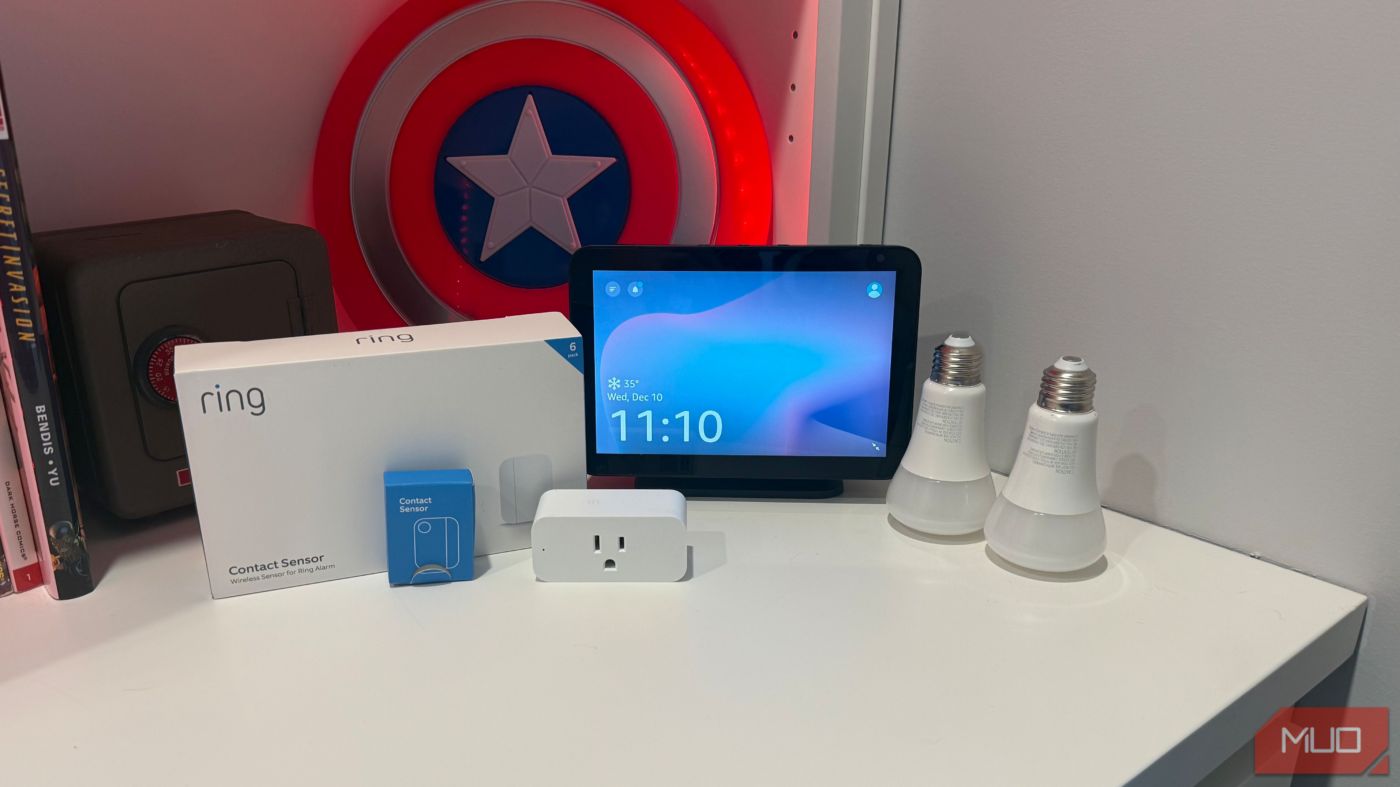
Of course, everyone knows there are a ton of companies that make smart home devices. Not only do you not need to buy the really expensive products, but you can find cheaper options that do basically the same things a lot of the time. But something that people may not realize is that you don’t have to stick with a smart home ecosystem even if you started with a specific one. For example, if you buy an Amazon Echo smart speaker, that doesn’t mean you can only buy Amazon-related smart home devices. Let me explain why.
Company-specific hubs are outdated
You don’t need to lock into one company

Back in the day, you needed a specific smart home hub that served as the central hub for all your smart home devices. They would all sync up through this one hub, and it would be the main way to control them. You could tell your smart hub to do different things, and different devices would react.
The problem with these hubs is that the devices would only work if they were connected to one. You could use them as individual devices just fine. But if you wanted any real smart home functionality, like having them be able to coexist in a smart home ecosystem, you’d need a hub.
You can find a list of all the Thread-certified products here.
Some of the older technologies, like Zigbee or Z-Wave, relied on hubs using mesh network protocols. This allowed the devices to interact with one another and create a smart house system. While you can still use Zigbee or Z-Wave products, you aren’t forced to use only them. Even if you do have a device that works with one of these technologies, it can now utilize other technologies as well.
It’s similar, in theory, to why people switched away from cable. They didn’t want to be locked into one specific package. As time changed and technologies evolved, the smart home landscape changed just like the TV landscape did. Your new technologies are akin to streaming services.
Thread is much more communicative
It builds its own network
The Thread network protocol came along and changed the game. Thread network protocol was created by Nest to help different Internet of Things devices communicate with one another. Essentially, this means that you don’t have to buy devices all from the same company. You just need to buy devices that are Thread-certified products.
All the devices pictured above, the Meross MS600 motion sensor, the Eve Flare, the eufy Smart Lock E31, the Aqara Motion and Light Sensor P2, and the Amazon eero Pro 6e are all Thread products. This means that they can communicate with one another on a low-power network. However, Thread devices do need a Thread Border Router in order to set up and communicate with each other.
Some companies, like Aqara, do sell a Smart Hub that serves solely for that purpose. It is a device you plug in that connects one device to another. But there are other Thread Border Routers, like the Amazon Echo Show 8, that can do a lot more than just serve as a connective tissue.
The important thing is having your preferred smart controller in place that can do multiple things, such as automation, voice commands, and more.
Ultimately, a Thread Border Router is meant to set up automations, as it connects your home network and creates a network connection between other devices. The Thread Border Router will connect to your Wi-Fi network, then create its own network for other devices to join, eliminating the need for those devices to join your Wi-Fi and clog your network. You can even check the Thread network from other devices to ensure it is running properly.
The rise of smart speakers like the Google Nest, Echo Show, and Apple HomePod became a natural way to avoid the hub that didn’t do much and instead was a fully functional addition to your smart home, while also serving as that hub for other devices.
Matter speeds things up faster
There’s Matter over Thread and more

Matter provides another way for devices to connect with one another. Instead of being a network, Matter is the language that the devices speak in order to communicate. Matter can be used by devices without relying only on Thread. It uses different networks, including Wi-Fi and Ethernet, for the devices to communicate.
Matter can also use Thread, meaning you can have Matter-compatible devices that are Thread-compatible devices. But not every Matter device is compatible with Thread. Matter provides a higher level of compatibility between devices, so you can truly use all kinds of devices from various manufacturers, all in the same smart home. This is called Matter over Thread devices, meaning the Matter language is spoken over Thread’s network.
When using a Matter device, it does need some kind of controller, such as a smart speaker or smart hub. But you can choose one from your smart home ecosystem and then build from there. The important thing is having your preferred smart controller in place that can do multiple things, such as automation, voice commands, and more. This is the best place to start when putting together your smart home.
In this day and age, it makes sense to focus on a smart home hub that is compatible with Matter devices. If it is, it opens up more possibilities for the devices that you can buy for your home, keeping yourself from being pigeonholed into one company’s products.

Did You Know You Can Plug These 10 Devices Into Your Smart TV’s HDMI Port?
The HDMI port on your smart TV has so many uses.
This frees you up to buy the best of the best
You can find the options that work best for you

When Matter came along, it ensured that big-name manufacturers had devices that were all speaking the same language, so you could compare prices and features of devices before buying something. You weren’t just stuck with devices that spoke the same proprietary language, made by the same company.
Matter is still evolving, and companies are still adding devices with Matter capabilities. What this means for consumers is that they are free to buy all kinds of devices and shop for the ones that best suit their needs. For example, if you prefer saying “Alexa” rather than “Hey Google” to wake a smart speaker, you can go with an Amazon speaker but still use a Google Nest thermostat.
Because of the universal language, these products can communicate with one another. It’s why so many companies have gotten into the smart home device game. If they are either Thread-certified products or Matter-compatible products, it opens up your possibilities of mixing and matching, whereas something with Zigbee, Z-Wave, X10, and others is stuck in one lane.
That’s not to say you shouldn’t and can’t use those, but if you want to buy the best smart water leak sensor on the market, you can find one and have it connect to your smart home ecosystem without needing it to be the same manufacturer as your hub or controller.
You don’t need to have smart devices from the same manufacturer
Your life can be a lot less complicated if you look for devices that can connect to one another via a protocol like Thread. If the device is Matter compatible, it opens up even more possibilities for your smart home. Paying attention to the labels on the products is important, as you want ones that can communicate with one another. Having a truly smart home means your devices can all work in harmony.
source
Note: All product names, brands, and references in this post belong to their respective owners.
For more smart home guides, lifestyle tech updates, and UAE-focused recommendations, visit blog.thikra.co.
To shop smart gadgets, accessories, and lifestyle electronics, explore Thikra Store at thikra.co.




Leave a Comment