
Thikra Blog shares smart living tips, home gadget updates, and lifestyle technology insights tailored for UAE readers.
If there is one piece of smart technology I’d love to have in my home, it would be a smart washer or dryer. Unfortunately, I don’t have the money to make that happen right now, as it is an incredibly expensive piece of equipment to update. My current washer and dryer work like champions, even though they were purchased for incredibly cheap through Facebook Marketplace, so it would be a waste to swap them out for something with a few extra bells and whistles.
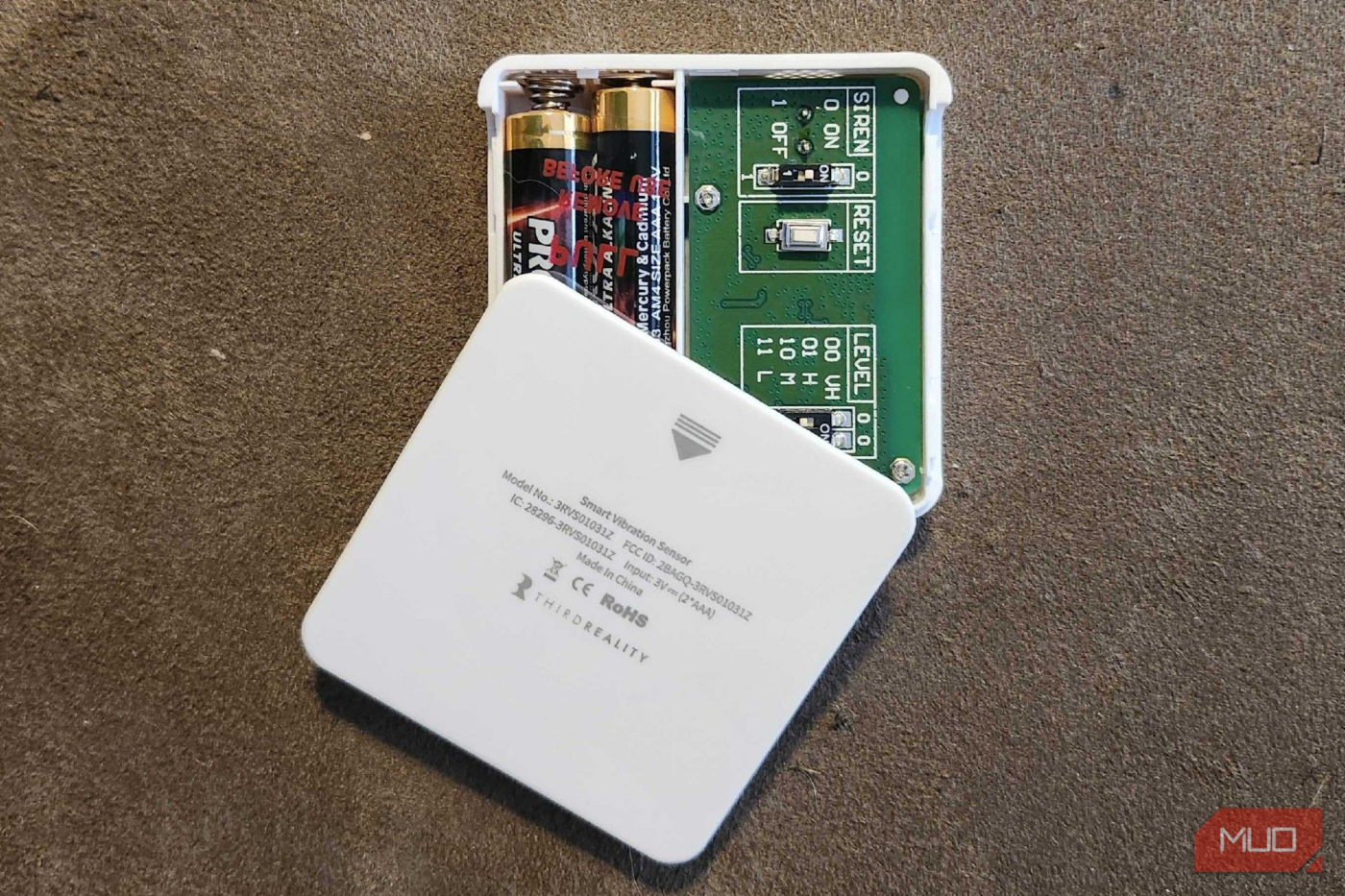
That’s when I had an idea — what if I could add some smart features to my existing washer and dryer set? They’re currently in the basement, and since I can’t see or hear them, I’m always struggling to remember when I put a load in. With a vibration sensor and a bit of time invested later, I’ve got my own “smart” system.
The first step was planning how to do this
Vibration sensors are great, but require some additional steps

DIY and I don’t exactly get along, so I jumped onto YouTube to see if anyone else had the same type of idea that I had. Thankfully, a channel by the name of Reed’s Smart Home gave me the perfect stepping stone into this particular project, showing me that I wasn’t the only one with an idea like this. Sure, his may be a little more in-depth than I did, but the option for NFC scanning is quite slick.
Instead, I just wanted to ensure I could get notified when a load of laundry had finished, especially in the dryer. As I mentioned above, my washer and dryer are in the basement of my home, and it’s nearly impossible to hear them buzz when they’ve finished. While I thought I had an idea of what I was doing, I quickly learned many valuable lessons along the way.

- Dimensions (exterior)
-
2.21″H x 0.5″W x 2.21″L
- Compatibility
-
Zigbee, Echo, Smarthings
- Colors
-
White
A Zigbee hub is a necessity for this project
Home Assistant could be a major part of the puzzle, too
One thing I didn’t realize before I started this project was that I was going to need a Zigbee hub of some sort. Most of the smart home accessories that I have don’t require this and have their own standalone applications. While some folks here at MUO have strayed from the path of Home Assistant, I figured this was the perfect time for me to get involved. I’ve had an old Chromebook lying around the house for a while now, and with a few tweaks and tricks, I can get Home Assistant OS running on it. Pair that with a Zigbee USB adapter, and I’ve got a cost-effective way to start getting more hands-on with my home automation process.
You can use a Raspberry Pi 4 or 5, Mini PC, or even a Chromebook to turn it into a Home Assistant server. You can also run a virtual machine (VM) with Home Assistant OS if you don’t have the spare components. There are also dedicated Home Assistant PCs available for purchase on Amazon.
From here, it was time to start learning more about how Home Assistant worked. While it may be intimidating to use at first, there are plenty of helpful forums to get people pointed in the right direction — something that I was incredibly thankful for during the initial setup process. After seeing and using the input and output booleans from Reed’s Smart Home channel, I was ready to start the automation process.

- Dimensions (exterior)
-
3.4″L x 1″W x 0.53″H
- Compatibility
-
Windows, Linux, MacOS, Raspian
- Colors
-
Black
There could be easier solutions for other folks
I can’t blame you if you don’t want to dive in this deep for something this silly

Now that I’m this deep in this project, I wanted to take some time to think of alternate methods for people in a similar situation to me. One thing that I had considered after the fact was setting up a few different cameras in my basement, pointing at the washer and dryer. This way, I could see and hear if they were still running, and then go and grab the latest load of clean clothes.
There’s also the option of setting a timer on something like a Home Hub or an Alexa product. As long as you remember to actually set the timer, this could be a much easier way to remind yourself that you’ve got a load of laundry in. Or if you don’t want to go the smart home route? Something as simple as using a mechanical kitchen timer could work just as well. But in my quest to overcomplicate my own life, this ended up being the best result for everybody involved.

I turned my old tablet into a smart home dashboard, and it’s perfect
I use my 1st-gen iPad Pro as a smart home dashboard
The vibration sensor finally works as intended
It took a long time to finally get things working properly, but it was worth it

I’ve already invested too much time and money to give up at this point, and I can honestly say that I’m happy with the results. I’m always eager to learn new things, and trying to discover all the little quirks with Home Assistant has been a fun and frustrating adventure. But at this point, both my wife and I can receive a notification on our phones when these vibration sensors fail to detect movement for a few minutes, and we know it’s time to get off our rear ends and get into gear.
Additionally, now that I’m learning how Home Assistant works, I can gradually integrate everything I have into a single all-in-one hub. This should make my journey into the world of home automation a little more streamlined, and I never realized how powerful some of these smart home products can be. I feel like I’ve just discovered a treasure trove of goodness, and I’m eager to dig in deeper.
All in all, this was a very fun, frustrating project
It’s an awful lot of work for something as silly as a sensor
As with all good things, this project took a lot longer than I expected, but the end result is a fantastic new addition to my home. After spending roughly 1/10th of what a smart washer or dryer may cost, I’ve turned my $50 Marketplace finds into futuristic pieces of technology now, if there were only a way for these machines to fold and deliver the clothing afterward.
As I mentioned before, this is a niche solution to an incredibly niche problem. But it’s one I’m incredibly glad I did, especially now that I can throw in a load of laundry while I’m working and not completely forget it’s in there. That alone was worth the headaches that I experienced while making this happen. Maybe it’s time to make my toaster “smart” next.
source
Note: All product names, brands, and references in this post belong to their respective owners.
For more smart home guides, lifestyle tech updates, and UAE-focused recommendations, visit blog.thikra.co.
To shop smart gadgets, accessories, and lifestyle electronics, explore Thikra Store at thikra.co.




Leave a Comment